Desktop publishing (DTP) covers the processing or creation of photographic or drawn work with the assistance of a computer. CAD (computer-aided design) is its equivalent for plans and drawings. It is in DTP that your logo is prepared for printing: set to the right dimensions, colours converted to CMYK, crop marks added. A well-prepared DTP file avoids adjustment back-and-forth.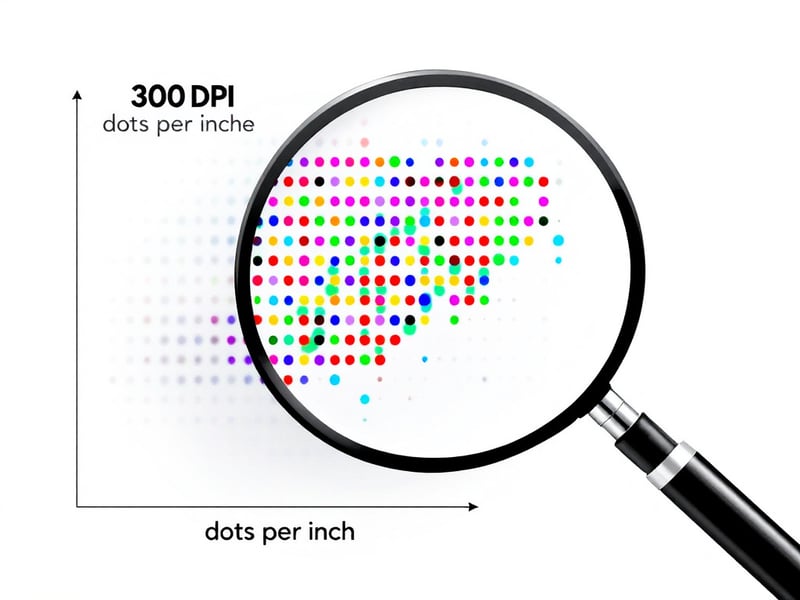
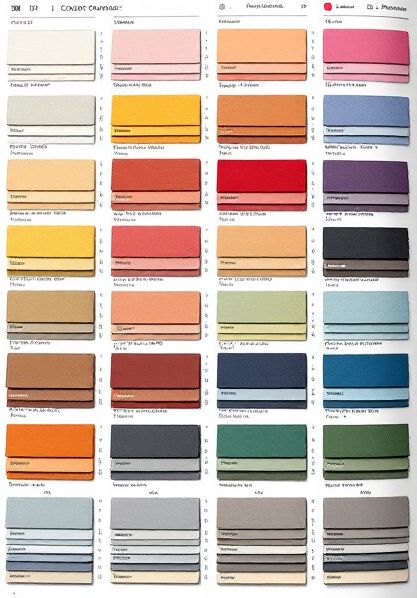
Pantone® is an international system of standardized colours, reproducible from pre-set mixes and gathered in colour charts. It is a reference system for the composition of spot-colour printing inks on any substrate. Each shade carries a number, for example “Pantone 485” or “Pantone 7256c”. This reference is understood by every printer in the world, without ambiguity. It is the safest way to specify the colour of your logo.
To hem a fabric is to turn an edge under – called a hem – and sew with stitches as invisible as possible from the front of the fabric. It keeps the fabric from fraying and must be invisible.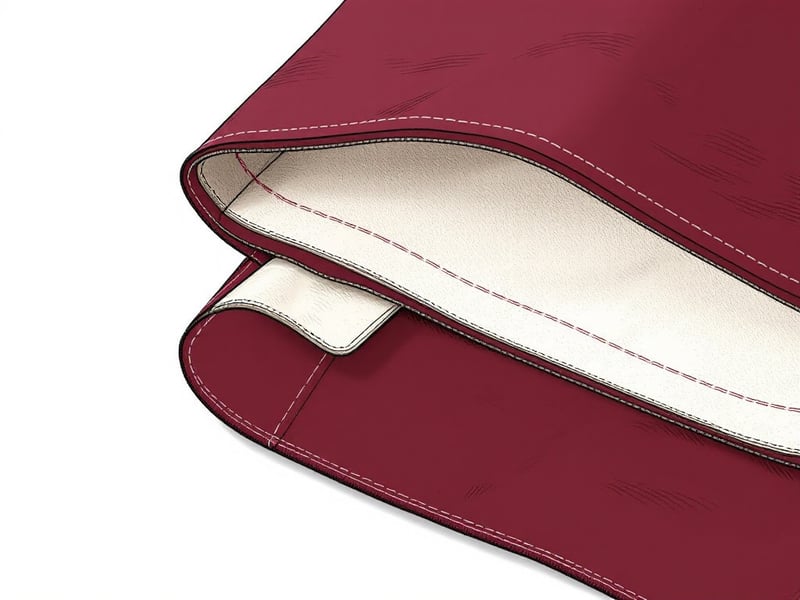
It is a fabric that was originally silk, but is today made of synthetic fiber. It is very fine, transparent, shiny and crisp.
Offset is a printing process that transfers ink from a plate to a rubber cylinder, then onto the substrate. It suits long runs on paper and board. On fabric, screen printing is preferred because it fits better on the support.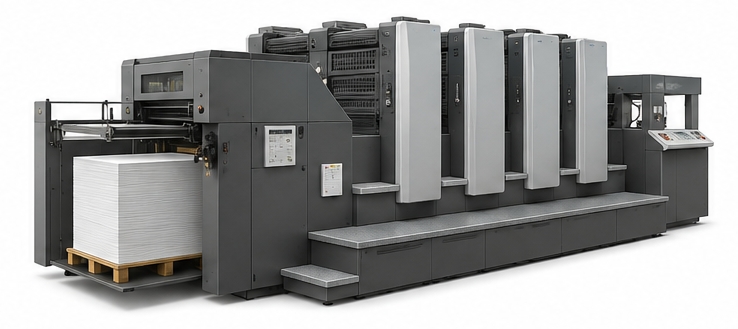
The eyelet is used to reinforce the hole or to allow a cord, lace, ribbon, etc. to go through it. It may be made of metal or plastic and is often ring-shaped. It is placed in a hole through another material.

Non-woven fabric is obtained by mechanical, chemical or thermal bonding of textile fibers deposited in a random manner. One of the most common fabrication modes is the compression of fibers with a bonding agent.

It is a light and transparent fabric made from carded cotton threads.

Thick cotton or polyester padding used for armchairs and to line comforters, curtains, etc.