Print registration
Precise setup for each printed shape to obtain an exact color alignment.

Precise setup for each printed shape to obtain an exact color alignment.
Recycling used fabric products (clothes, manufacturing offcuts, pouches, etc.) means bringing them back into the production cycle of the textile industry. At the end of the process, the raw material is regenerated and turned into new recycled fabrics cotton-based or recycled fabrics polyester-based.
To be recyclable, a packaging must be fit for re-use in a production circuit within a complete recycling chain.
Collecting is the first step of the recycling circuit, because you can only recycle what has been collected. Almost all fabrics are recyclable, but not all of them can actually be collected: they may be destroyed, damaged, kept in use, contaminated, or too widely scattered geographically.
This is a very tightly-woven and thighly-threaded thin cord.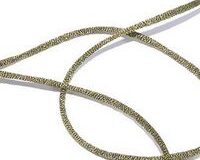
PPP means Point Par Pouce in French and Puntos Por Pulgada en Spanish. It is the equivalent of DPI dot per inch.
A pose is one or more copies printed at the same time on the same sheet or format. A pose is the unit of placement of the design. On a fabric width, the number of poses per row depends on the width of the design and on the fabric width. Three 20 cm poses on a 70 cm width, with the cutting margins, and the roll is full. The more poses per pass, the faster and cheaper the printing. It is a workshop calculation, part of the pricing of your custom pouches.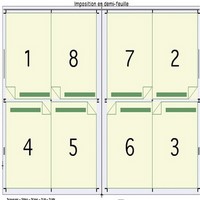
Synthetic chemical fiber. Chemical fiber in which the fibreous substance is a long chain of composed synthetic polymer. The fibers are produced as filaments, short fibers and esters. This fiber has an excellent chemical and mechanical resistance and is resistant to shrinking and stretching.
Recyclable or recycled, plastics are classified according to the following nomenclature: 1 – PET or PETE, Polyethylene terephthalate; 2 = HDPE, High-density polyethylene; 3 = PVC, Polyvinyl chloride; 4 = LDPE, Low-density polyethylene; 5= PP, Polypropylene; 6 = PS; Polystyrene; 7 = other, other plastics.

For textile packaging, the best-known and most economical material is non-woven fabric made of polypropylene.
– see vector file – The PDF format, created by Adobe like the AI format, retains text and image document formatting. This format meets professional printing industry standards (high resolution, colorimetric information, crop marks, …) It allows for quality printing, much like “.ai” , “.eps” and “.svg” file formats.