


Voile
A light, thin fabric made of cotton, viscose or silk.
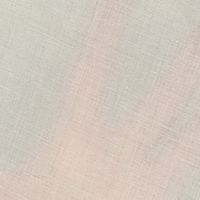

A light, thin fabric made of cotton, viscose or silk.
Synthetic fiber made from cellulose, woven alone or with other synthetic fibers. This fiber is used to produce highly comfortable fabrics. Cellophane, rayon and fibranne are made from viscose.
Threads which, with the warp threads, are used to weave fabric. These are the threads parallel to the width of a piece of fabric. See warp and weft.
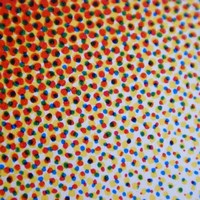
Number of dots per cm². Gray value expressed by relative surface area printed. Screen angles: angles at which the halftones of a separated color are made to output to a lithographic film. An incorrect angle screen may lead to moiré patterns.
– see Waste – Manufacturing tolerance is an important concept to be aware of. To make custom and/or personalized packaging, a greater product quantity than the one ordered is always planned to account for the waste. If there is a lot of waste, less packaging will be produced and if the waste is low, there will be more product. This amount of produced packaging is thus the exact quantity that will be shipped and billed to the customer. The manufacturing tolerance in our industry is 10% more or less.
Plain weave is the simplest of weaves: each warp thread passes alternately above and below a weft thread. The resulting fabric is strong and regular, with no sides or spots. It is the most common weave of cotton pouches.
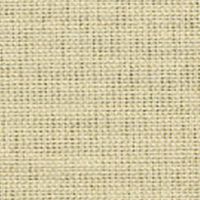
A soft and strong surface made of a regular assembly of warp and weft threads. This assembly is done on a machine called a loom.
All fabrics obtained by weaving.
The process of coloring textile fibers before weaving or directly coloring a fabric with the use of dyes.
Animal fiber whose thread is obtained by reeling the cocoon made by the larva of the Bombyx Mori domestic silk moth. This thin, elastic and soft thread may range in length from 700 to 1200 meters: it is white and lustrous.
